December 31, 2025

Arun Paul
.svg)

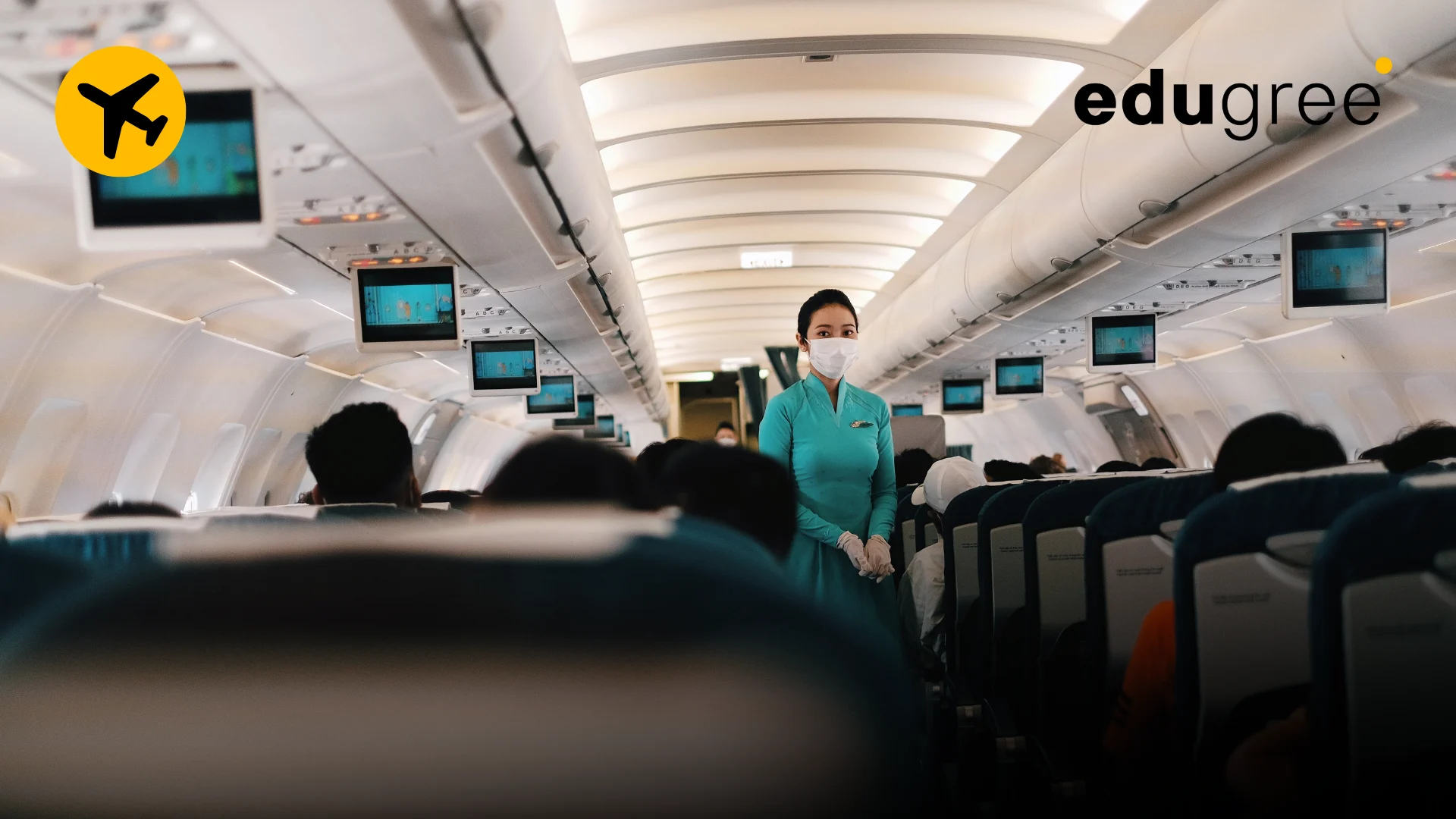

The air hostess (cabin crew) profession is one of the most aspirational careers in the aviation industry. Glamour, travel, and an international lifestyle often attract thousands of candidates every year. However, along with excitement, there are many misconceptions that discourage or mislead aspiring candidates. Common Myths About Air Hostess Careers – Facts vs Reality aims to clear the confusion and present the truth behind this dynamic profession.
Understanding the reality of the job is crucial before making career decisions. Let’s break down the most common myths and compare them with real facts.
Reality:
While the profession does involve travel, stylish uniforms, and interacting with people from different cultures, glamour is just a small part of the job. The primary responsibility of an air hostess is passenger safety. Cabin crew are trained in emergency procedures, first aid, evacuation drills, and handling medical or security situations.
According to Common Myths About Air Hostess Careers – Facts vs Reality, this role requires discipline, responsibility, and mental strength far beyond the glamorous image shown on social media.
Reality:
Airlines focus more on confidence, communication skills, and attitude than perfect looks. Height and arm reach requirements exist for safety reasons, not beauty standards. Many airlines now promote diversity and inclusivity, welcoming candidates from different backgrounds.
This is one of the most misleading assumptions highlighted in Common Myths About Air Hostess Careers – Facts vs Reality, as it often discourages capable candidates unnecessarily.
Reality:
Many believe that cabin crew careers end early, but that’s far from the truth. Air hostesses can grow into senior cabin crew roles, lead cabin crew, trainers, recruiters, or move into ground staff, corporate aviation, or airline management roles.
Reality:
Serving meals is only a small part of the job. Cabin crew members are trained safety professionals responsible for handling emergencies such as turbulence injuries, medical crises, fire, or emergency landings.
Reality:
The job demands long hours, irregular schedules, jet lag, physical fatigue, and emotional strength. Dealing with difficult passengers, emergencies, and time zone changes can be challenging.
However, for those passionate about aviation and service, the rewards—travel, salary, allowances, and career growth—make the challenges worthwhile. This balance between challenge and reward is a key takeaway from Common Myths About Air Hostess Careers – Facts vs Reality.
Reality:
Air hostesses earn competitive salaries along with multiple benefits such as layover allowances, international travel, accommodation, medical insurance, and discounted flight tickets. Salary increases with experience, airline type, and international routes.
Reality:
Modern airlines do not restrict cabin crew careers based on marital status. Age limits mainly apply at the time of entry, and even those can vary by airline. Many cabin crew continue flying well into their 40s and beyond, depending on health and performance.
Reality:
While English is important, airlines also value additional languages, cultural awareness, and customer-handling skills. Communication is about clarity, empathy, and professionalism—not just accent or vocabulary.
Candidates who focus on overall personality development often succeed, as emphasized in Common Myths About Air Hostess Careers – Facts vs Reality.
If you are inspired to pursue a career as a cabin crew member after understanding the realities discussed in Common Myths About Air Hostess Careers – Facts vs Reality, the right training and guidance can make all the difference. Edugree’s Aviation Course is designed to prepare aspiring air hostesses with industry-relevant skills, confidence, and professional grooming required by leading airlines.
Why Choose Edugree’s Aviation Course?
Edugree offers a comprehensive aviation training program that focuses on both theoretical knowledge and practical skills. The course is structured to meet current airline recruitment standards, ensuring students are job-ready.
Course Highlights:
Who Can Join?
Edugree’s Aviation Course is ideal for:
No prior aviation experience is required—only dedication, discipline, and a passion for flying.
Career Support & Placement Guidance
Edugree provides continuous career guidance, airline interview updates, and expert mentoring to help students crack cabin crew interviews with confidence. The training focuses on real airline expectations, helping students stand out in competitive selection rounds.
If you’re serious about building a long-term aviation career, Edugree’s Aviation Course can be the right step toward turning your dream into reality.
The air hostess profession is rewarding, respected, and filled with opportunities—but only for those who understand its realities. Believing myths can lead to wrong expectations or missed opportunities. By separating facts from fiction, Common Myths About Air Hostess Careers – Facts vs Reality helps aspiring candidates make informed career choices.
If you dream of flying high, meeting people from around the world, and building a strong aviation career, focus on skills, training, and mindset—not myths.
Related Blogs
.png)


